

Q4 Marketing Strategy for Ecommerce Brands
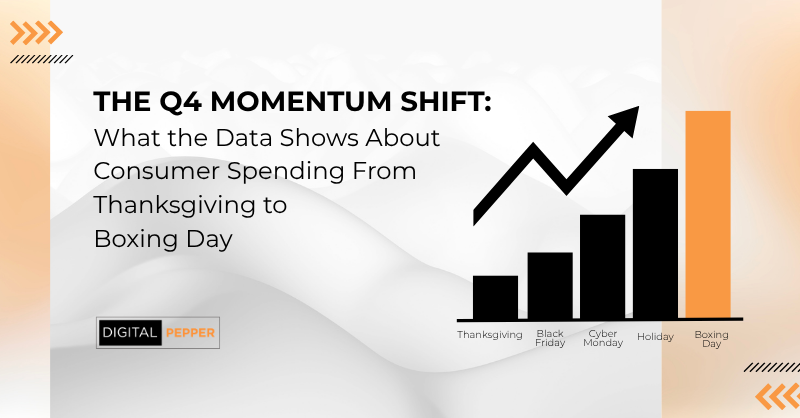
Ecommerce Q4 Marketing Strategy: How to Capture the Biggest Sales Window of the Year
For ecommerce brands, no quarter compares to Q4. Between October and December, consumer spending accelerates in a way that no other part of the calendar can match — driven by Canadian Thanksgiving, Black Friday, Cyber Monday, the broader holiday sales period, and Boxing Day. Brands that build a deliberate Q4 marketing strategy consistently outperform those that treat it as “business as usual, but busier.”
This guide breaks down what an effective ecommerce Q4 marketing strategy actually looks like — and why the brands that prepare early are the ones that come out ahead.
Why Q4 Is Different From Every Other Quarter
Consumer intent shifts fundamentally once October begins. Shoppers who ignored marketing emails all year suddenly start opening them, looking for deals ahead of the holidays. This creates a compressed window where demand, competition, and marketing spend all peak simultaneously.
The scale of this shift is often larger than brands plan for. Based on client performance data we’ve tracked across recent Q4 seasons, brands running a coordinated strategy have seen:
Revenue growth approaching 60% year-over-year during the October–December window
Order volume increasing more than 55%, driven primarily by new customer acquisition
Average order value holding steady, signaling growth from reach rather than discounting
Units sold rising in step with order volume, reflecting genuine demand rather than promotional noise
That last point is worth sitting with. When AOV holds steady while orders climb sharply, it means growth isn’t being bought through price cuts — it’s being earned through better targeting, stronger creative, and a strategy that reaches more of the right customers.
The Four Pillars of a Strong Q4 Strategy
1. Lead Generation Before the Sales Begin
Shoppers are unusually willing to exchange their email or phone number for early access to deals during this period — but only if brands start capturing that intent before the big sales launch. Waiting until Black Friday week to build an audience means competing for attention against brands that started in September.
2. A Strategy Built Around Your Brand, Not Just Discounts
Matching every competitor’s discount percentage is a race with no winner. The strongest Q4 campaigns are built around what makes a brand worth buying from — bundling, loyalty perks, exclusive drops, or elevated storytelling — with the discount supporting that story rather than replacing it.
3. Coordinated, Not Siloed, Marketing Channels
Email, SMS, paid media, social, influencer, affiliate, and PR all play different roles during Q4. Run independently, by different vendors on different timelines, they compete with each other. Coordinated under one strategy, they compound.
4. Retention Planning That Extends Past December
The customer acquired on Black Friday is only valuable long-term if there’s a plan to keep them. Post-purchase sequences, loyalty enrollment, and personalized follow-up determine whether a Q4 customer becomes a one-time buyer or a repeat one.
Building Your Q4 Timeline
A strong Q4 strategy typically breaks down like this:
September: Build the infrastructure — lead capture, segmentation, creative assets, site performance checks
Early October (Thanksgiving): Test messaging and offers on a smaller scale, using the long weekend as a live signal for what’s working
Mid-to-late November (Black Friday, Cyber Monday): Execute the coordinated, brand-first campaign built over the prior two months
December: Sustain momentum through the broader holiday sales window
Boxing Day: Shift focus toward retention and deepening the relationship with customers acquired earlier in the season
January onward: Convert seasonal buyers into year-round customers through structured retention campaigns
How Digital Pepper Approaches Q4 Strategy
Across the client campaigns we’ve run heading into peak season, the pattern is consistent: the brands that prepare months in advance — rather than reacting once the season starts — capture disproportionately more of the available demand. That preparation touches every channel at once, from lead generation and creative strategy to real-time campaign management during the highest-traffic days of the year.
Q4 rewards brands that plan ahead. The work that matters most happens well before Black Friday ever launches.
Book your free call today for the analysis. 📧 mike@digitalpepper.ca | 📞 647-831-9953
